Orbit and Eyelids tumors
What you need to know about Orbit and Eyelids tumors
Anatomy
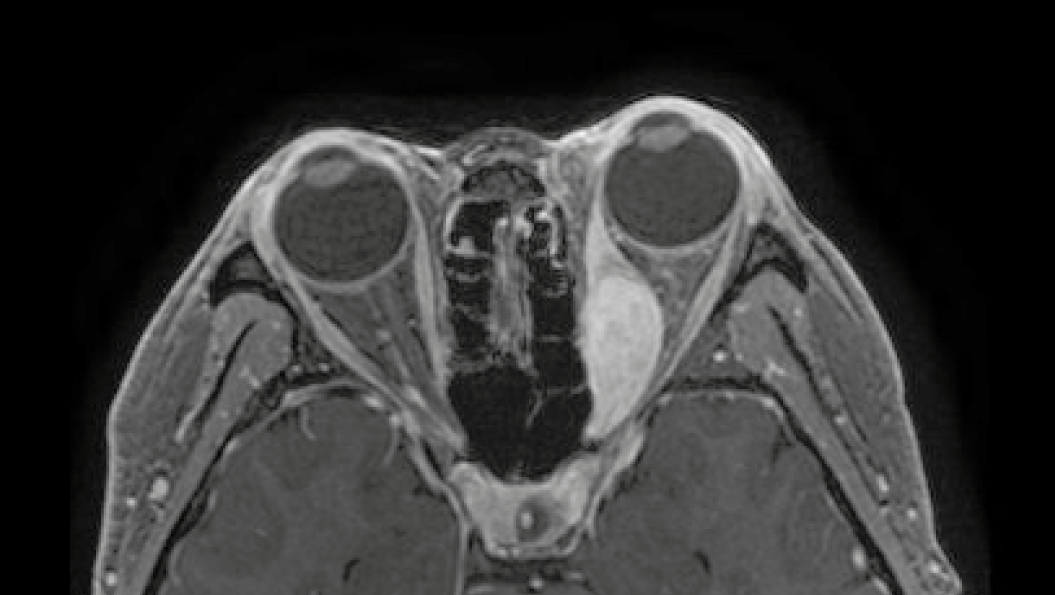
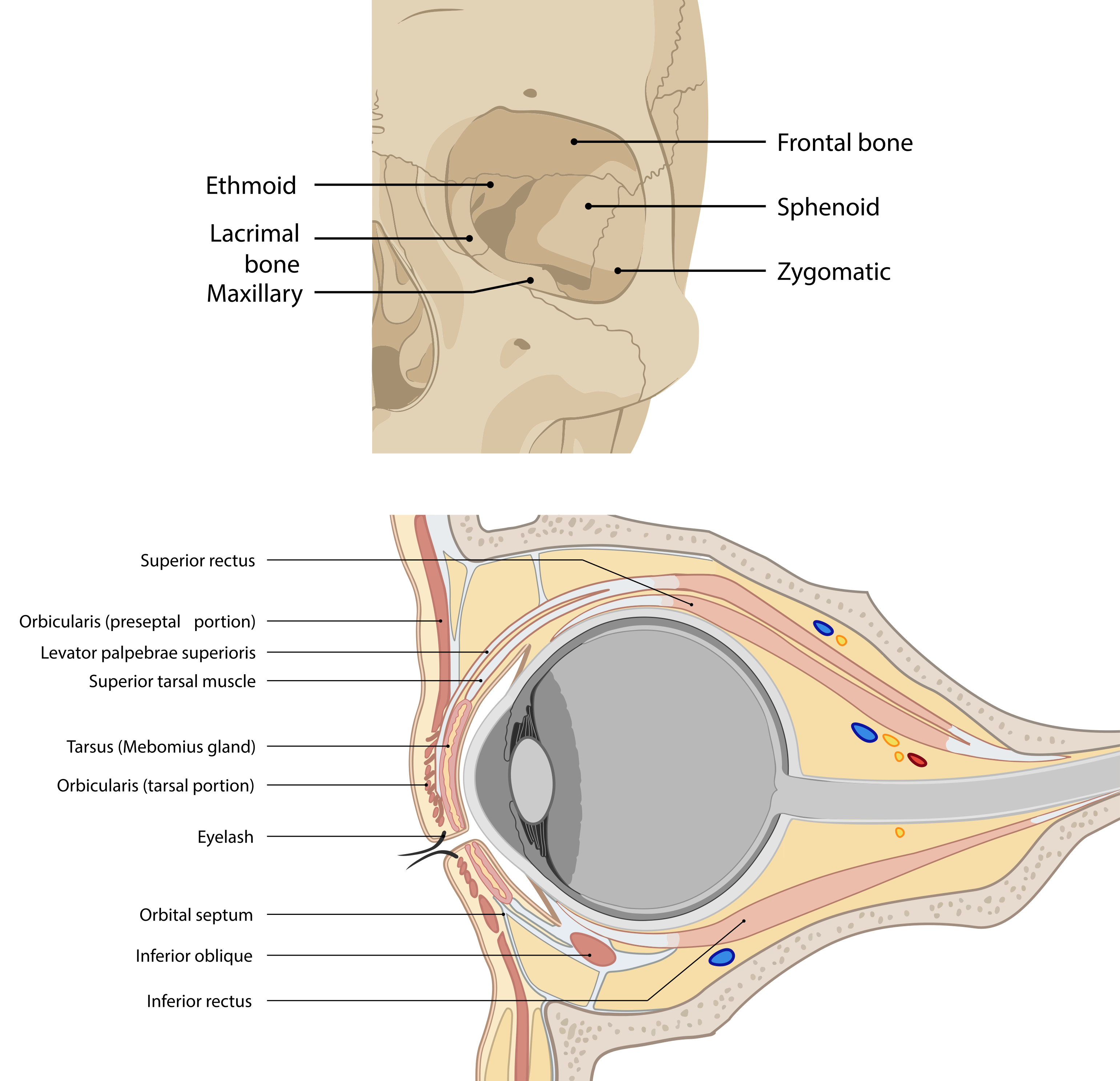
The orbit is the facial cavity that houses the eye. It is bounded by several bones (the lacrimal, ethmoid, sphenoid, frontal, zygomatic, and maxillary bones) and contains the extraocular muscles that control eye movement, as well as fat, nerves, and blood vessels. It also includes the lacrimal gland, which is the main source of tear production. The brain is located just above and behind the orbit. While the eye sits within the orbit, it is not technically part of it.The eyelids are made up of skin and protective tissues that cover the surface of the eye. They are generally divided into two parts: the anterior lamella and the posterior lamella. These two sections are separated by the gray line, a surgical landmark corresponding to the orbicularis muscle seen through the thin skin of the eyelid margin. The eyelids serve to protect the eye.
Basal Cell Carcinoma
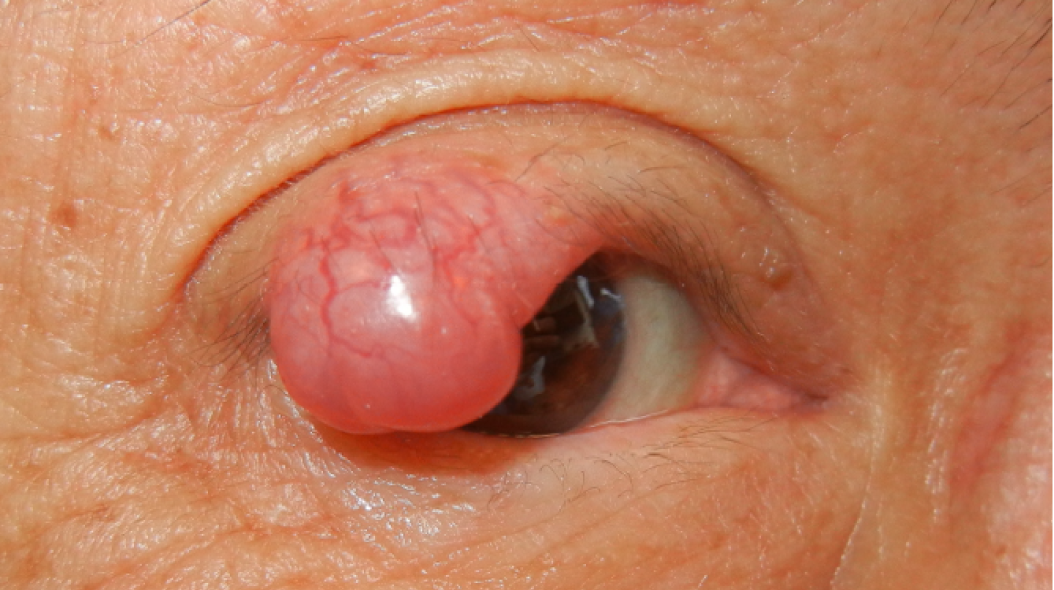
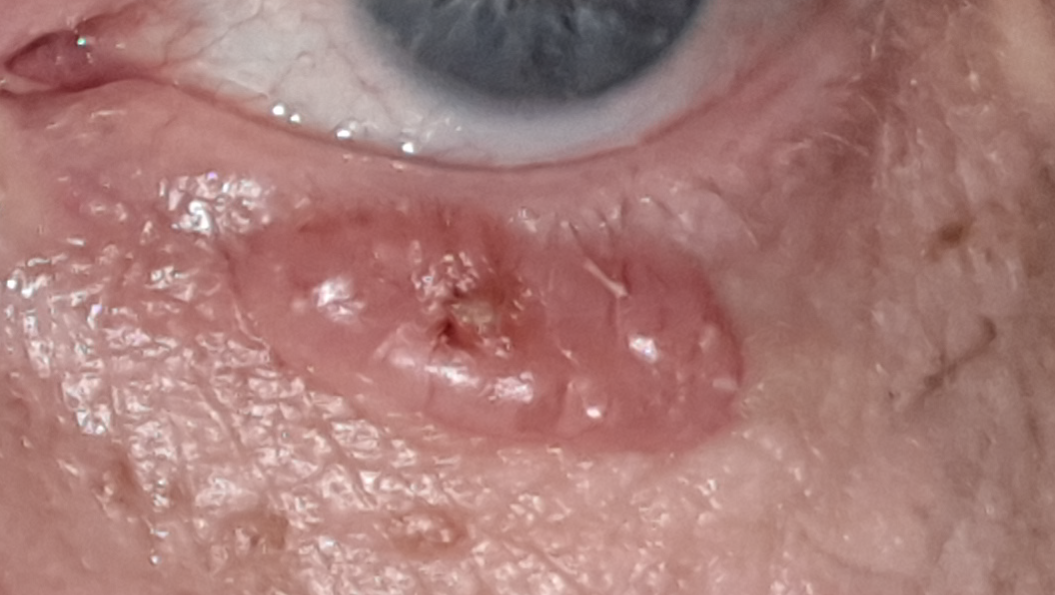
Basal cell carcinoma is a skin cancer of epithelial origin affecting the eyelids.
Squamous Cell Carcinoma
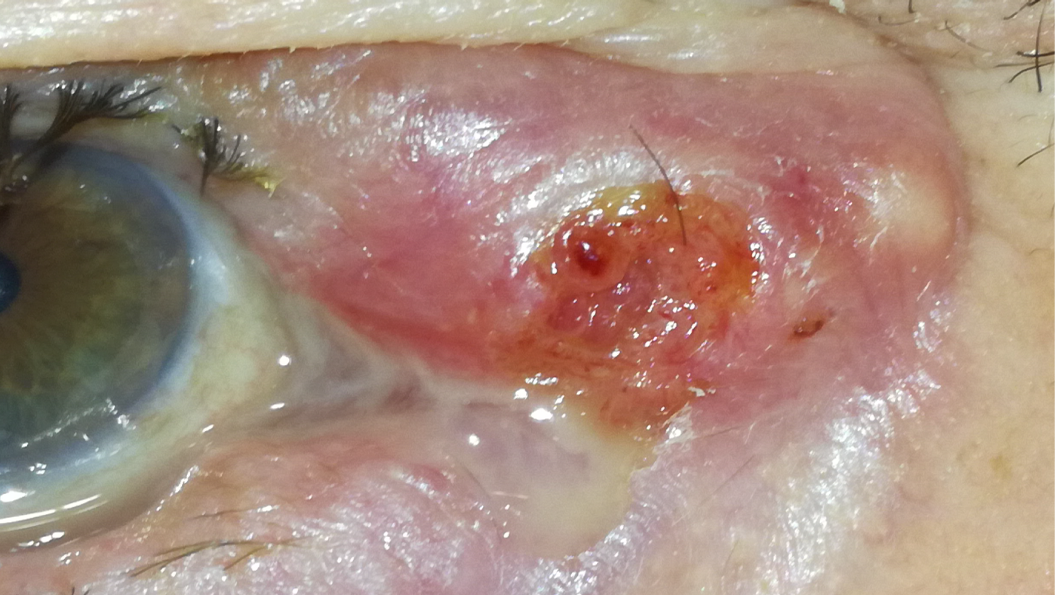
Squamous cell carcinoma is a skin cancer that can develop on the eyelids. It is much more aggressive than basal cell carcinoma.