Cutaneous squamous cell carcinoma
Everything to know about cutaneous squamous cell carcinoma
Cutaneous squamous cell carcinoma is a malignant tumor arising from epidermal cells (epidermal keratinocytes) with various histological characteristics. It progresses step by step, from dysplasia to carcinoma in situ, and then to invasive carcinoma. It is a rare tumor of the eyelids, accounting for about 2–3% of eyelid tumors.
The main risk factors are excessive sun exposure and immunosuppression.
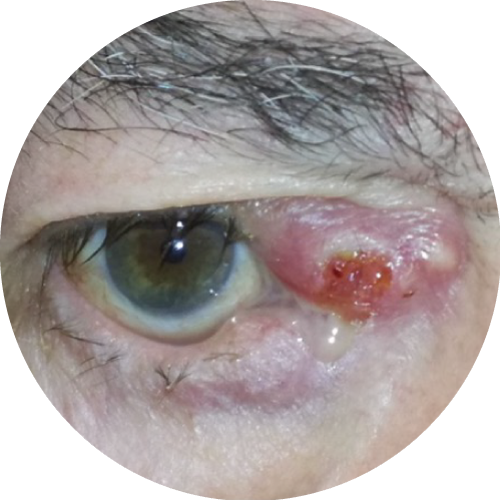
Cutaneous squamous cell carcinoma typically presents as an isolated red scaly plaque, evolving into a hyperkeratotic nodule, often ulcerated, that bleeds easily and grows rapidly. Lesions with perineural involvement cause pain/paresthesia. A biopsy performed under local anesthesia in the clinic can confirm the diagnosis and guide subsequent treatment.
Surgery is the reference treatment for cutaneous squamous cell carcinoma. It may be performed under local or general anesthesia depending on the complexity and duration of the procedure. Given the aggressiveness of this tumor, wide resection margins are generally recommended. Reconstruction is performed during the same surgical procedure and often requires the use of flaps and grafts. In all cases, a multidisciplinary tumor board (MDTB) discussion will be held to determine the optimal management strategy based on tumor aggressiveness, stage, and surgical results.
Other treatments are possible, either in addition to or as alternatives to surgery. Radiotherapy (conventional external beam radiotherapy) may be considered when surgery does not allow for complete excision. Immunotherapy (cemiplimab) may also be used in some very advanced cases prior to surgery (neoadjuvant).
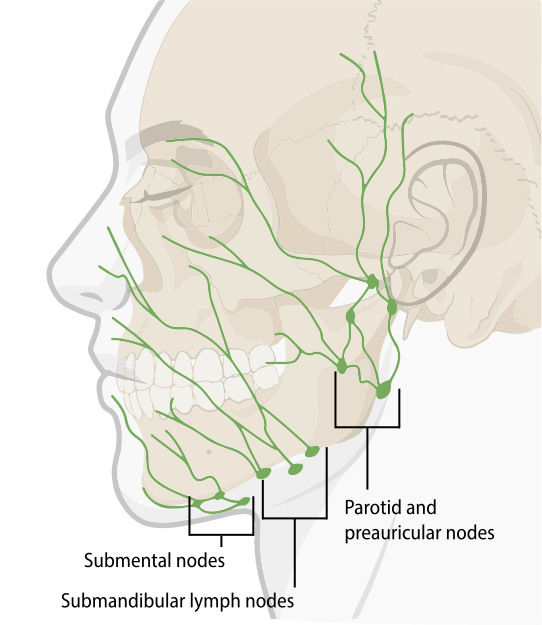
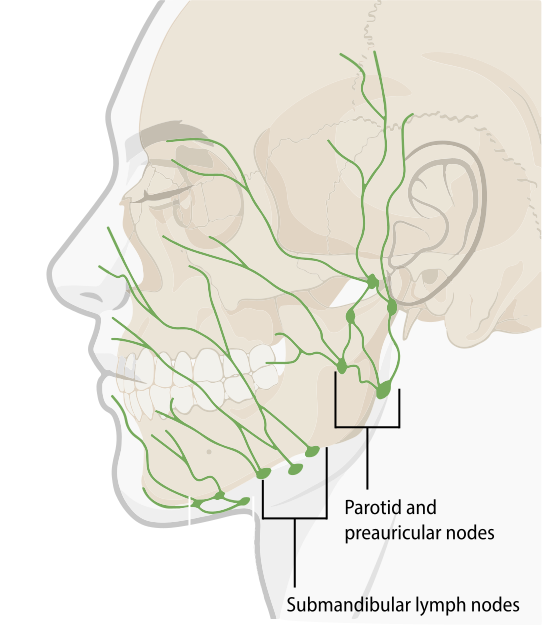
Squamous cell carcinoma is an aggressive tumor with rapid progression and a risk of lymphatic and visceral metastasis. In addition to regular clinical follow-up, further staging with head and neck imaging (ultrasound, CT scan) or even whole-body imaging (18F-FDG PET scan) in cases of lymph node involvement should be performed during follow-up, after an initial preoperative staging evaluation to assess tumor spread.